
Autumn Equinox
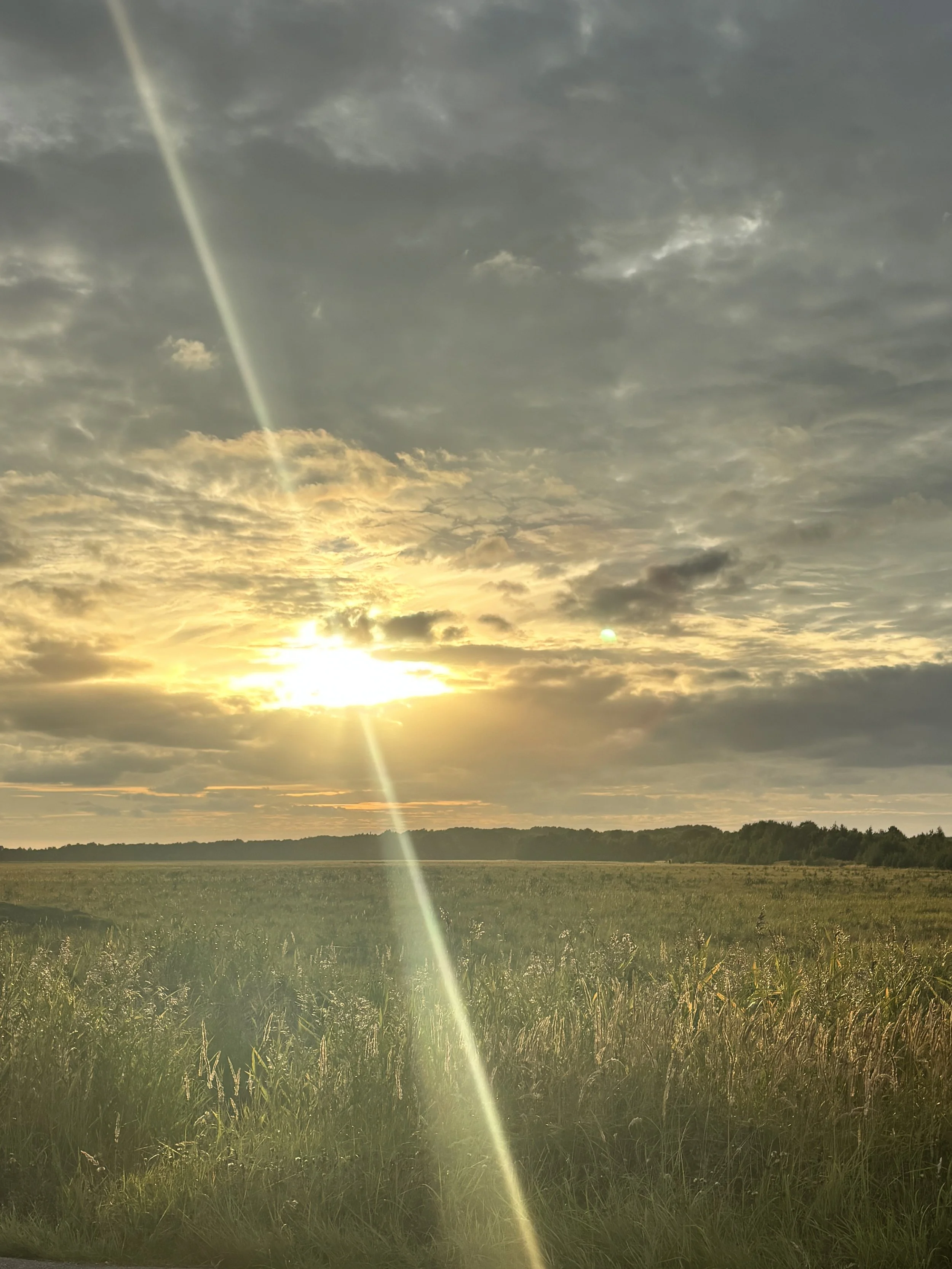
The Autumn Equinox is a beautiful threshold in the turning of the year — a moment to pause, gather what the season has brought, and attune ourselves once again to the rhythm of nature.
A Threshold Time and Turning Point
The Autumn Equinox typically falls on September 22 or 23. It marks the moment when the Sun crosses the celestial equator, bringing the Northern and Southern Hemispheres into a moment of balance.
The word equinox comes from the Latin aequinoctium, meaning “equal night”, referring to the approximate balance between daylight and darkness.
From this point forward, in the Northern Hemisphere, the days gradually grow shorter until the Winter Solstice — the shortest day and longest night of the year. Astronomically, the Autumn Equinox marks the beginning of autumn.
But beyond its astronomical significance, the Equinox has long offered human beings a powerful image of balance, transition and change.
An Ancient Calendar Mark
Across cultures, seasonal turning points have been moments to gather, celebrate, give thanks and mark the changing rhythm of the year.
The Equinox, when light and darkness meet in balance, offers a beautiful point of connection to this ancient wisdom. As the Sun enters Libra, the sign associated with balance, we are invited to honour an enduring rhythm: the meeting of light and dark, giving and receiving, beginning and release.
The Equinox Grid
At the Equinox, the Sun rises in the East and sets in the West, creating a natural line across the land — a meeting place between light and darkness.
The ancient Egyptians were deeply attentive to the geometry of the heavens and the Earth. The pyramids of Giza are aligned with remarkable precision to the cardinal directions, reflecting a world in which earthly structures were placed in relationship with the greater cosmic order.
For a moment at the Equinox, light and darkness stand in balance.
Perhaps this is one of the gifts of the season: to remember that we, too, belong to a greater pattern — a living grid of Earth, Sun, sky and time.
Myths of Descent
In Ancient Greece, the story of Demeter and Persephone offered a powerful expression of seasonal change. Persephone’s descent into and return from the Underworld became intertwined with themes of growth, loss, renewal, and the changing relationship between the living world and the world below.
The Eleusinian Mysteries, devoted to Demeter and Persephone, were among the most important religious traditions of the ancient Greek world. Their mysteries remain a fascinating reminder of how deeply the cycles of nature, death and renewal have shaped the human imagination.
The story of Demeter and Persephone offers one of the ancient world’s most enduring images of seasonal descent — the moment when the world begins to turn inward, when what has ripened is gathered, and when life prepares to enter the darkness.
Across time and cultures, the Autumn Equinox has been experienced as a passage of threshold and transition. The expansive energy of Summer, which reaches outward towards the light, begins to turn. What has been growing and flowering is gathered, preserved and carried inward.
We begin to withdraw our energy towards the roots — towards what sustains us beneath the surface — entering a quieter season of preservation, reflection and inner life.
A Time for Giving Thanks and Celebrating
In modern Pagan traditions, the Autumn Equinox is often known as Mabon — a festival associated with harvest, gratitude, balance and transition.
The name Mabon itself is modern, emerging in Pagan practice during the 1970s and drawing on the Welsh mythological figure Mabon ap Modron. The contemporary celebration brings together themes that feel deeply at home in this season: harvest, gratitude, descent, renewal, and the turning towards the darker half of the year.
The Equinox is also associated with the second or final harvest of the year. While Lammas, or Lughnasadh, traditionally marks the first harvest and is particularly associated with grain, the Autumn Equinox carries the feeling of the harvest gathering towards completion — of fruit ripening, seeds maturing, and the Earth offering what is ready to be gathered.
The harvest has always carried a deeper meaning.
It is the practice of gathering what has ripened.
Of giving thanks for what the Earth has provided.
Of recognising that what sustains us through the darker months depends upon many things beyond our control.
Perhaps this is why the Equinox continues to speak to us as a threshold time.
Across very different cultures and times, the changing seasons have offered human beings a language for change itself:
light and darkness
growth and release
arrival and departure
A moment to pause.
A practice of gathering what has ripened.
A celebration of what has come to fruition.
And a moment to ask what we are ready to carry into the season ahead.

Turning the page
The Autumn Equinox offers an invitation to reflect on the summer season now behind you — not only on what you have accomplished, but on what has grown, opened, nourished you and ripened within you.
How can you give thanks for your harvest?
What has come to fruition?
What are you ready to release?
What do you wish to carry with you into the darker months ahead?
And perhaps, most importantly:
What is there to celebrate?
Because the celebration comes first.
At this time of year, our senses are delighted by the colours, tastes and scents of the Earth's bounty. We gather around tables. We share food. We exchange what we have grown, made, created or gathered. We pause to recognise the abundance that is already here.
Ultimately, the Autumn Equinox is a beautiful opportunity to take a moment to appreciate life’s delicate balance, to attune yourself to the rhythms of nature, and to set your intentions for the months to come, as the changing season turns the page towards a new chapter in our lives.
The Autumn Equinox can be a moment to give thanks for the seeds that blossomed, release what did not come to fruition, and celebrate what is here now — with nourishing, vibrant foods, in solitude or together with loved ones, sharing our gifts.
However you choose to mark this turning point in the wheel of the year, may it offer you a moment to pause, gather what has ripened, and listen for what wants to come with you into the next season.
Equinox blessings.

Sidsel Solmer Eriksen, Founding Editor
Practices for the Autumn Equinox
Twilight Reflection
The Autumn Equinox, a magical threshold of seasonal balance, offers a beautiful backdrop for a personal ceremony in the privacy of your own home. Whether by the glow of a candle, a fireplace, or a bonfire’s warmth, you can honour the dualities of light and dark, life and death, as you contemplate the turning of the seasons.
Take a moment to reflect on the season just passed: what is ready to be gathered in your life, and what are you ready to release, just as the trees prepare to let go of their leaves?
As the sun dips below the horizon and darkness slowly claims the day, light a candle or lantern to symbolise the inner fire you carry from the Summer Season into the darker months.
Rest for a moment in quiet contemplation. Feel the balance of the Equinox and your place within this cosmic dance of light and shadow.
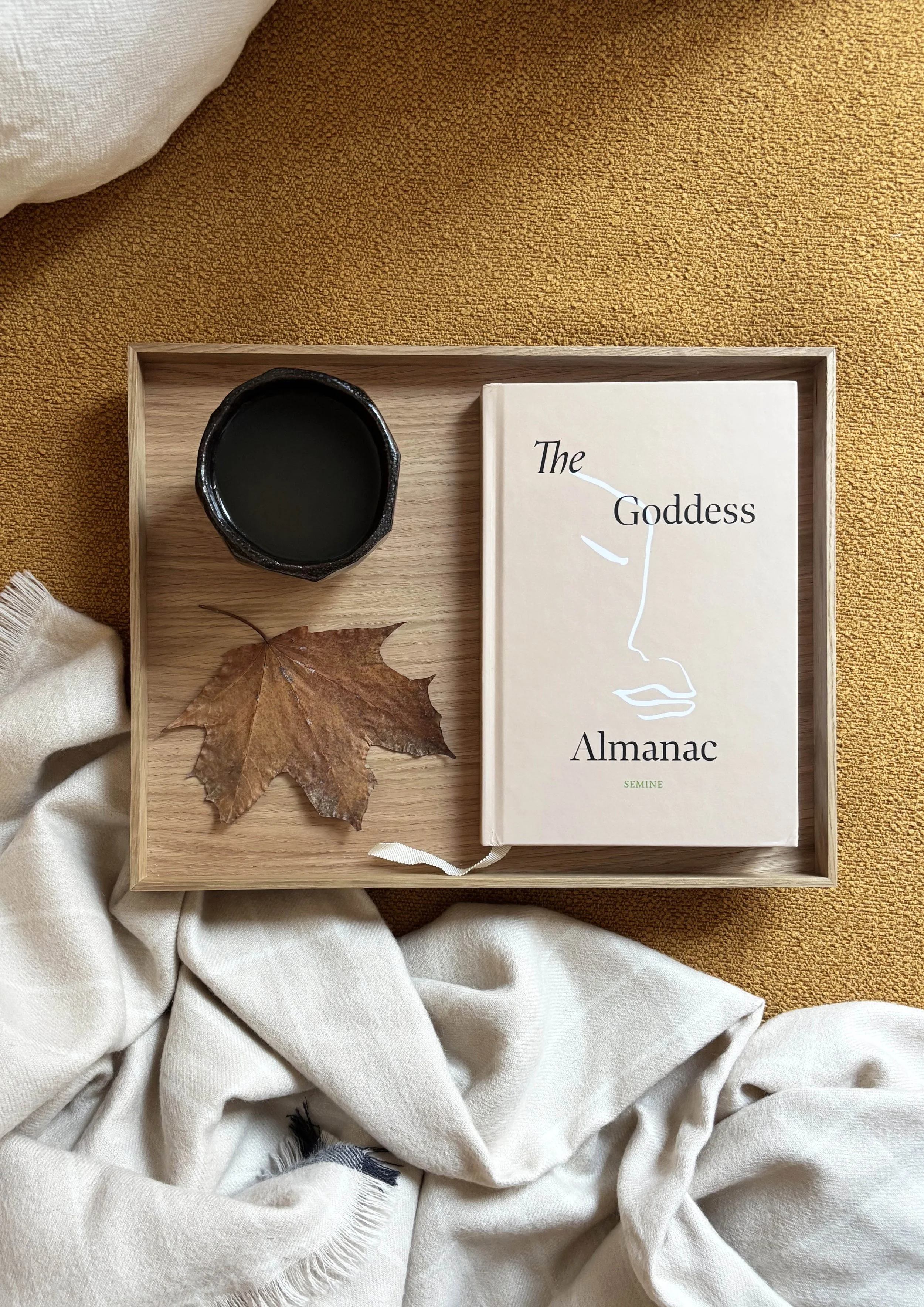
You can also create a personal altar to mark this threshold, celebrate the turning of the wheel, and let it carry you softly into the rhythm of Autumn as the days unfold.
Here are some elements you might include for inspiration when crafting your personal altar:
Candle: To anchor the light as we transition into longer nights.
Flowers: To embody innocence and playful wonder, even as Mother Earth surrenders into the more inward season.
Fallen leaves: To honour the trees, the Earth, and those who came before us as the natural world turns inward.
Pinecones, acorns or nuts: To symbolise potential, new beginnings, and the promise of renewal when the time is right.
Physical Objects: Talismans or objects that remind you of your abundance
When creating your altar, follow your intuition. Connect with the land, gather what speaks to you, and listen for the messages it offers.
Notice your Harvest
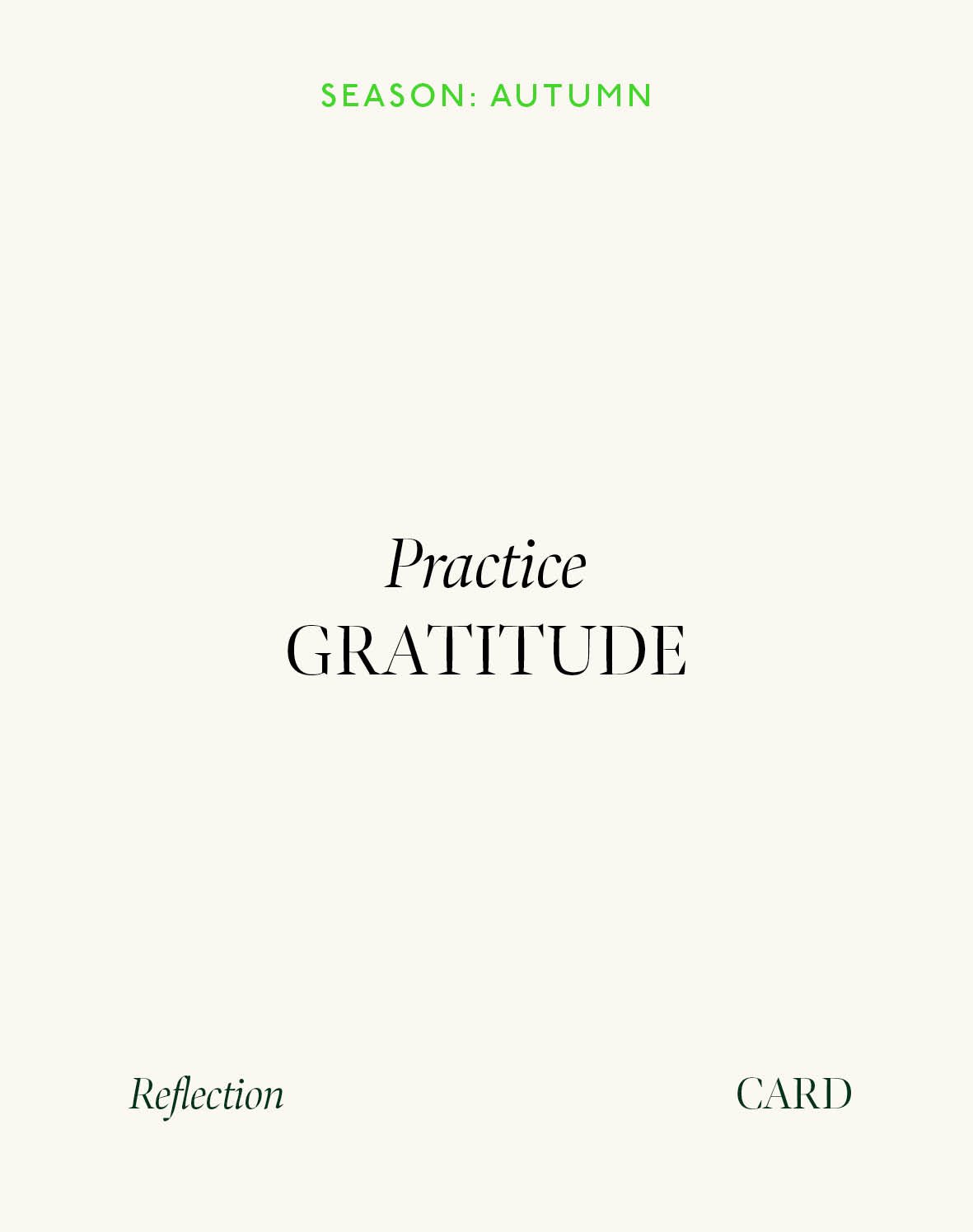
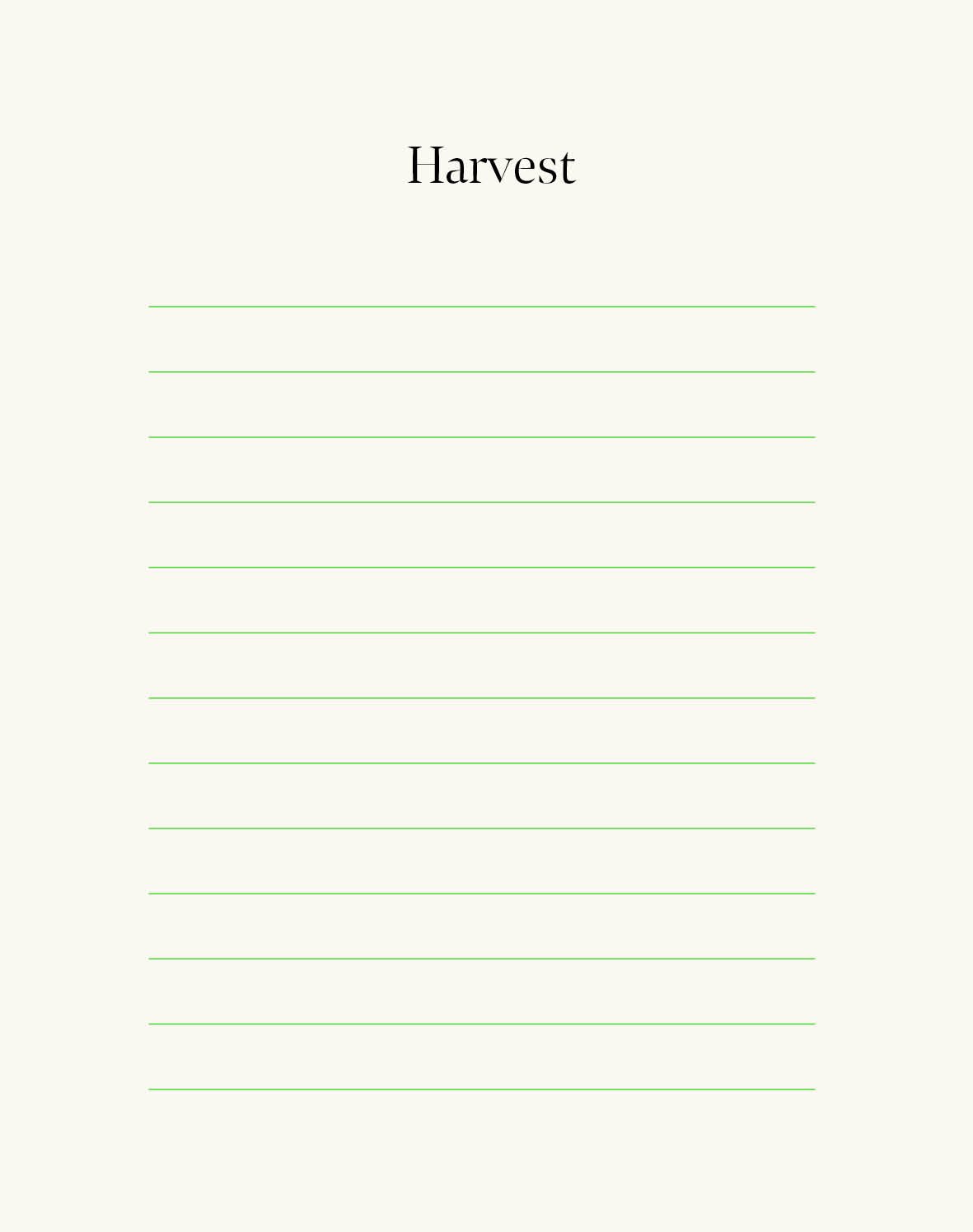
In The Goddess Almanac, turn to the AUTUMN EQUINOX page, page 134, for a moment of gathering and reflection.
Now is the time to gather your harvest for the coming chapter.
You may wish to offer gratitude for the abundance in your life, whether it is the harvest of the land or the blessings of experience. From this place of thankfulness, reflect on your aspirations for the months ahead as you set your intention for the next season.
JOURNAL PROMPT
What has ripened within me over the summer?
What am I ready to release, and what do I wish to carry forward?
Now, write:
I give thanks for:
(e.g. growth, love, courage, connection, creativity, new beginnings…)
I am ready to release:
(e.g. pressure, old expectations, perfectionism, busyness, what no longer feels true…)
I wish to carry forward:
(e.g. what nourishes me, what has grown, what feels alive, what I want to protect…)
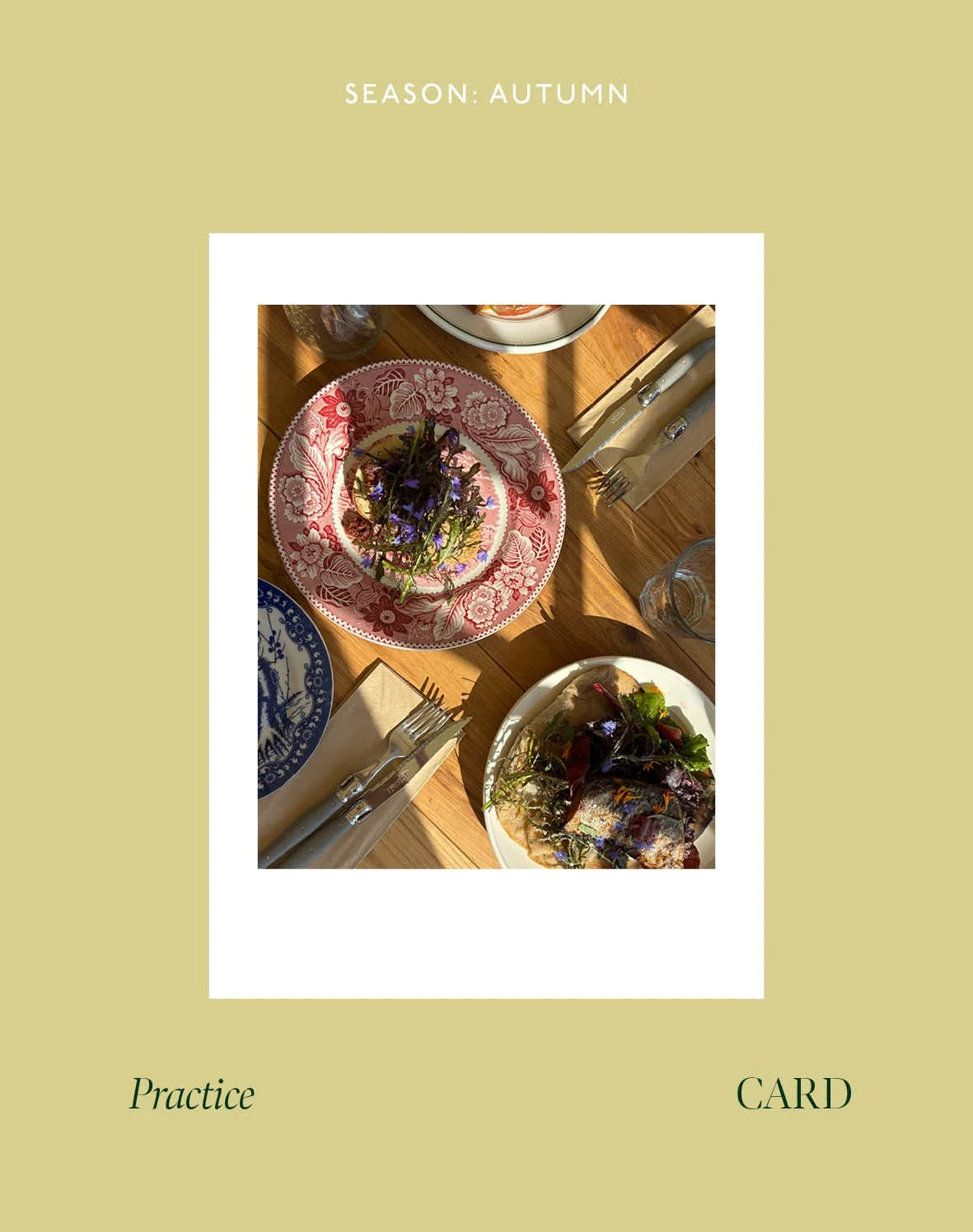
A Harvest Feast at Øens Madhus from the Semine 'Copenhagen Oases' City Guide
Harvest Gathering
September is a beautiful time to host a Harvest gathering. Think potluck-style get-togethers, where everyone brings a dish to share. Building community can be as simple as this: a shared table filled with nourishment, stories, and care.
An Autumn feast is a beautiful way to lean into the season’s energy of bounty and abundance, as we come together to share our gifts.
Here are some ingredients that carry beautiful symbolism around the Autumn Equinox:
Pumpkin: The colour of Autumn and fruit of the harvest, honouring the divine feminine, the womb, and the fruits of our labour.
Pomegranate: To honour Persephone and her strength and courage in traversing the underworld with grace.
Apple: To symbolise wisdom, sweetness, the harvest, and the turning of the seasons.
Cinnamon: To bring warmth as we transition into the darker days.
Another way to gather is through conversation. Practise active listening and shared kinship as you harvest personal stories, memories, and experiences together. Sometimes, a shared table becomes a place not only to nourish the body, but also to nourish our sense of belonging.